

Industrial Air Solutions Built Around Your Process
HBC Air focuses on industrial dehumidification, low-dew-point systems and application-specific air treatment solutions.
Our equipment selection and system configuration are determined by the technical requirements of each project.
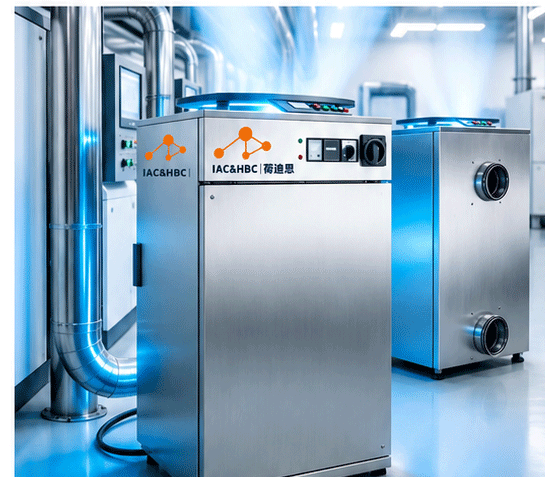
C / HBP /S series Standalone Desiccant Dehumidifiers
Desiccant dehumidification units for applications requiring controlled moisture removal within a defined operating environment.
Equipment selection depends on the required capacity, inlet conditions, target humidity and installation constraints.
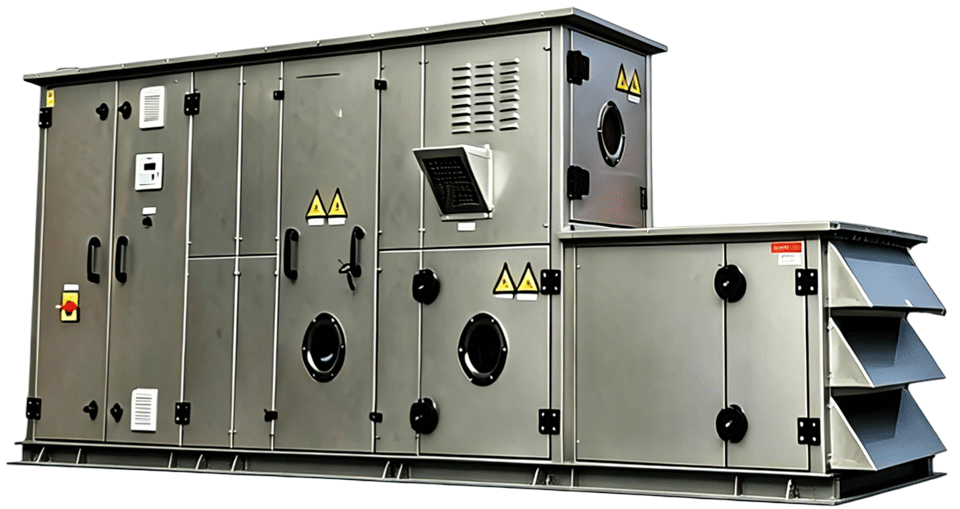
HBS-PLUS Modular Desiccant Dehumidification Systems
Flexible system configurations designed to meet specific industrial requirements.
Depending on the application, configurations can be developed around airflow, filtration, cooling, heating, regeneration and control requirements.
HBS-LR Energy-Efficient Dehumidification Systems
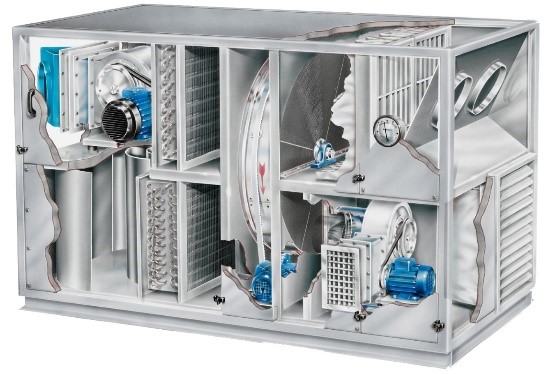
Designed for industrial applications requiring dependable humidity control and efficient operation.
Typical considerations include:
• Required airflow and moisture removal
• Target relative humidity
• Inlet air temperature and humidity
• Regeneration energy requirements
• Operating conditions and system integration
HBS-LD Low Dew Point Dehumidification Systems
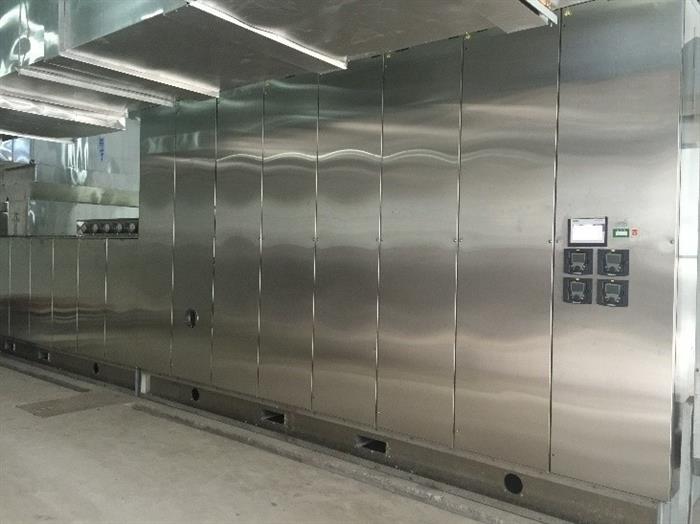
Designed for moisture-sensitive production processes where conventional humidity control may not be sufficient.
System configuration is determined by the required dew point, process conditions, airflow and operating requirements.
Potential applications include battery manufacturing, advanced materials and other moisture-sensitive processes.
Customized Air Treatment Systems
Not every process can be served by a standard unit.
HBC Air supports application-specific system design and equipment configuration to address individual process requirements.
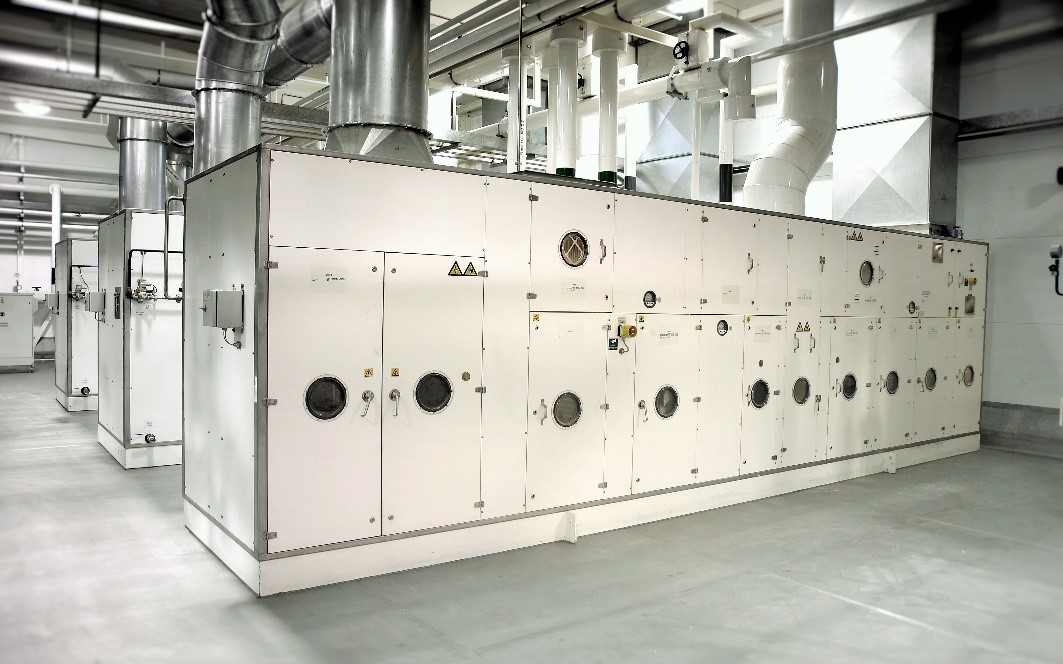
Depending on the agreed project scope, a solution may incorporate:
• Desiccant dehumidification
• Air filtration
• Cooling and heating
• Regeneration air systems
• Heat recovery options
• Airflow and humidity controls
• Integration with existing production systems